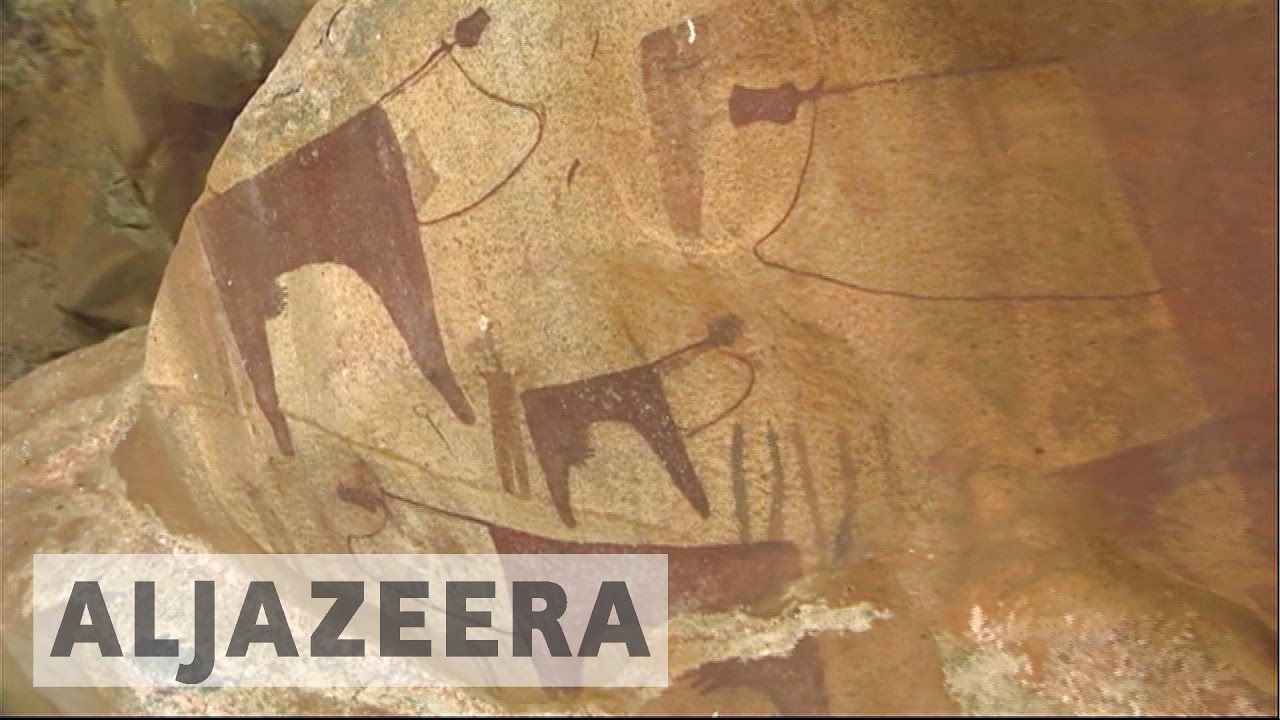


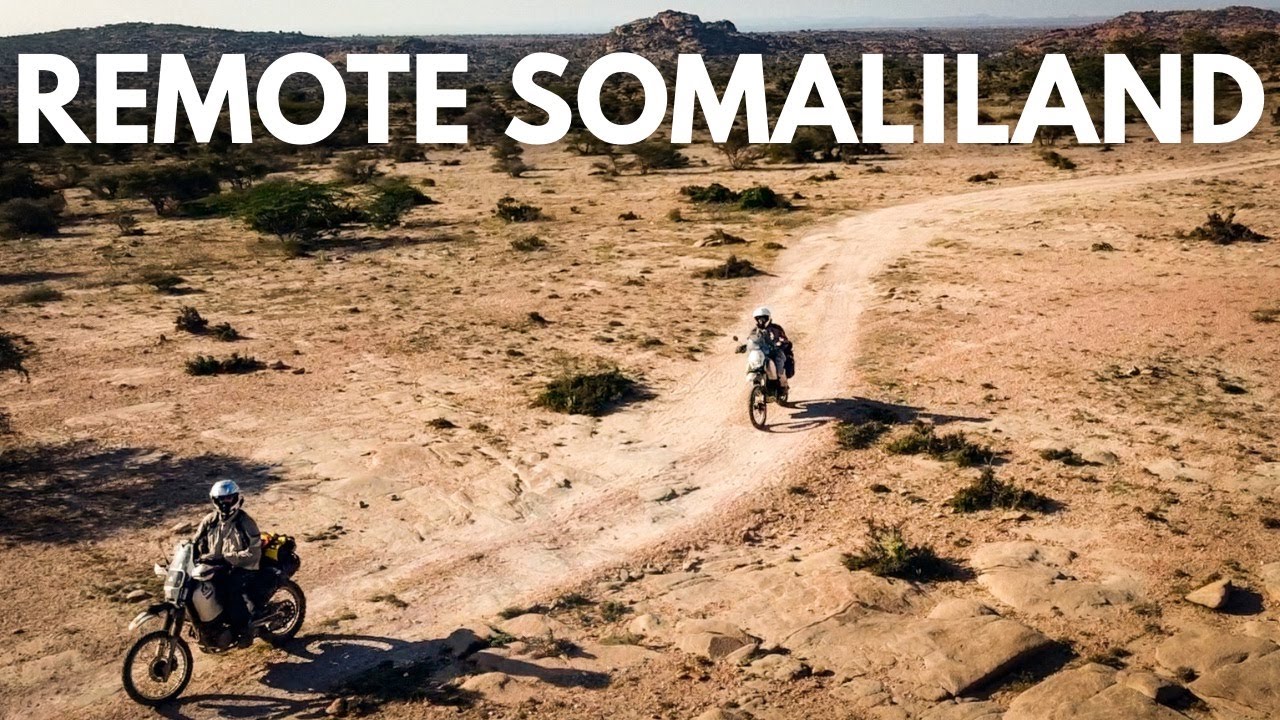
Somaliland is home to numerous archaeological sites and megalithic structures, with unique rock art. One of the most prominent sites is the Laas Geel cave formations on the rural outskirts of Hargeisa. They contain some of the earliest known cave paintings of domesticated African aurochs (cattle) in the Horn of Africa. Laas Geel’s rock art is estimated to date somewhere around circa 18,000 BC or 20,000 years ago.
Somaliland has an incredible landscape and a rich array of historical sites of interest that given access, both locals and visitors to the country can enjoy. As the infrastructure and mobility around the country improves, tourism will become an integral part of the economy. The new visitor centre is discretely inserted into the hillside and acts as a gateway leading to the rocks. It functions as an educational and research facility and aims to promote and educate about the value of heritage preservation. Through sustainable cultural tourism, it is also hoped that the centre will create jobs for nearby communities.

The building is subtly inserted into the hillside and becomes a natural path that forms the route to the rocks that that house the cave paintings. A semi external opening cuts through the building and gradually leads visitors towards the entrance to the caves at the back of the building. On returning from the hilltop, visitors descend to the roof of the building; which works as a platform for enjoying the surrounding landscape. The functions of the building consist of archive, exhibition space, souvenir shop, café and an accommodation for visiting researchers. Whenthe project was conceived, its aim was to be a tool for rural development, which would include job creation for communities surrounding the site and through training of sustainable construction techniques during the construction of the building.