MOGADISHU: Heavy gunfire shook Somalia’s capital overnight and smoke rose over the city on Thursday, AFP journalists reported, after pitched battles erupted between political factions ahead of planned protests.
President Hassan Sheikh Mohamud plunged Somalia into a new political crisis in mid May with his announcement that his term, due to expire on May 15, would be extended for a year.
The opposition and regional leaders have rejected the move and demonstrations against it were due to take place in Mogadishu on Thursday.
But as opposition leaders came to the city ahead of the protests on Wednesday, clashes broke out and continued sporadically through the night, according to AFP journalists in the area.
Police said they were conducting a “large-scale security operation” against “heavily armed militias who launched mortar attacks on some neighborhoods of the capital.”
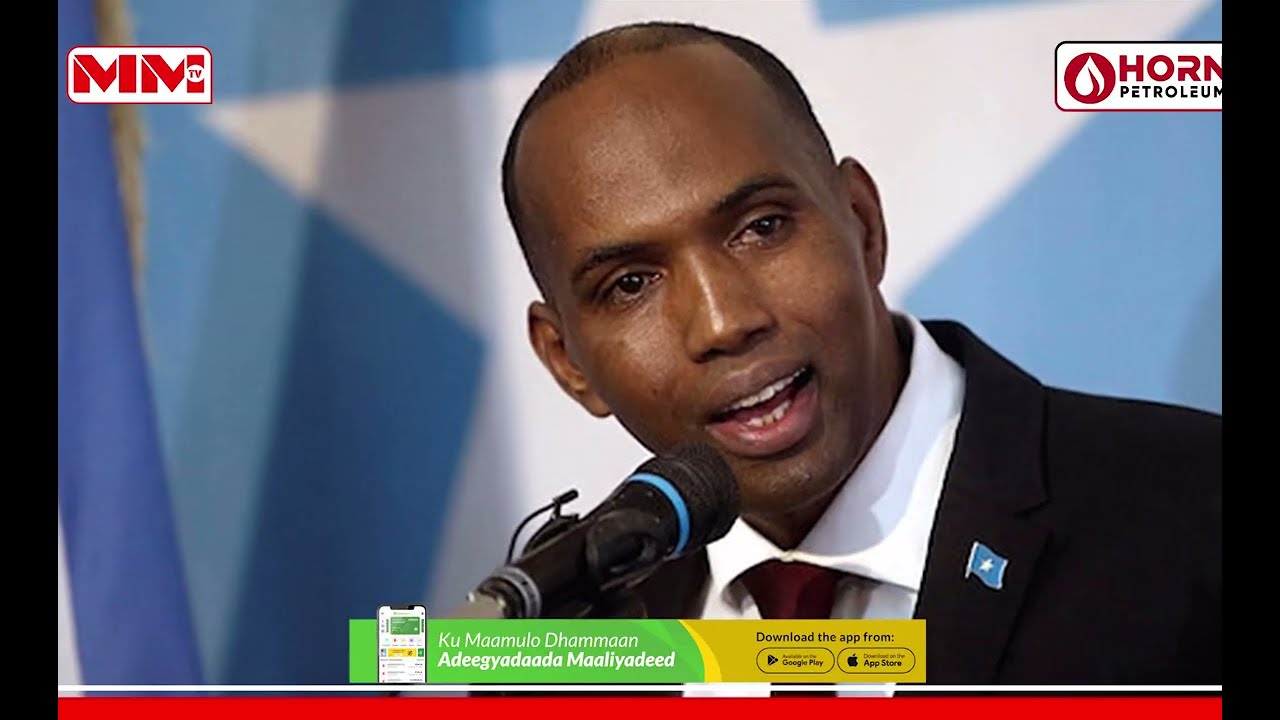
Former prime minister Hassan Ali Khaire said he was attacked by government forces on Wednesday after relocating from his base in the heavily fortified green zone around the airport to his residence in the city, in order to take part in the protests.
“An attack was launched against us by forces commanded by the president whose term has expired,” Khaire said in a social media post late Wednesday, adding they had been preparing for a “peaceful demonstration” the following day.
An AFP journalist filmed panicked residents in the Howl Wadaag district near his home, with loud gunshots heard in the background.
Witnesses told AFP they saw armed opposition forces clashing with Somali police.
Gunfire was also reported near the residence of former president Sharif Sheikh Ahmed, close to the popular Lido Beach area, according to witnesses.
The president has been attempting to move Somalia toward democratic elections, replacing a system based around clan elders.
Mohamud argues he was given an extra year in the presidency when a new constitution was passed by parliament in March that set the framework for polls.
But with the country deeply divided between rival clans, and much of it under the control of Al-Shabab, an Islamist insurgent group, there has been little progress on organizing elections beyond a few localized pockets.
Opposition and regional leaders have strongly opposed Mohamud’s plan, seeing it as an attempt to centralize power.